
Archive for May 2026
Microsoft Acts Mousey
 May 2, 1983
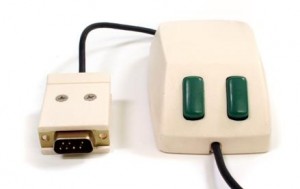
Microsoft introduces the Microsoft Mouse for IBM and IBM-compatible PCs. The mouse featured two green buttons and is available by itself or will later be bundled with the new Microsoft Word software, which Microsoft would release in September. Because of the green buttons, the mouse was nicknamed the “Green-Eyed Mouse”, which may have been a fitting name given it’s similarity to the Shakesperian phrase “green-eyed monster” to describe jealously. It was no secret Bill Gates was very envious of what Apple was creating with the Lisa and later Macintosh computers and their mouse-driven interfaces. Microsoft will manufacture nearly one hundred thousand units of their first mouse, but will only sell five thousand before introducing a second, more popular version in 1985.
Microsoft would go on to create a very successful line of mice and other computing peripherals over the years, but almost ironically Microsoft announced in April of 2023, nearly 40 years later, that they would end the production of Microsoft-branded peripherals and focus on their Surface-branded peripherals. This came months after Microsoft announced a 30% year-over-year drop in revenue from devices, cut 10,000 jobs, and announced “changes to their hardware portfolio”.
GPS Gets Less Selective
 May 1, 2000
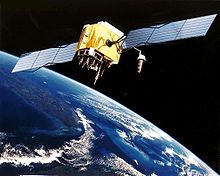
President Bill Clinton releases a statement announcing that the U.S. government will remove Selective Availability from its Global Positioning System at midnight, improving the accuracy of civilian GPS devices from 100 meters to 20 meters. Originally created to impede hostile forces from taking advantage of the GPS system, pressure mounted from many areas to eliminate Selective Availability and make GPS more accurate for civilian purposes. Initially set to be disabled in sometime 2006, it happened on this day 6 years earlier than planned because the U.S. military had developed a new method of denying GPS to hostile forces in a specific areas without affecting the rest of the world or its own systems. This action paved the way for the proliferation of GPS usage for accurate navigation functions, such as the turn-by-turn apps we use today on our smartphones.